

As of 2022, there were over 278 million vehicles registered in the U.S., with 92% of households having one or more vehicles. Many vehicle owners modify their vehicles in various ways, such as hanging items on their rearview mirrors, adding seat covers, or investing in paint protection film. The U.S. car customization market encompasses various types of modifications, and as of 2024, it was valued at over $58.8 billion.
Adding window tints to car windows is one of the most popular vehicle customization offers, offering aesthetic and practical benefits.
Some add window tints because they prefer the added privacy while driving. There are also practical benefits, such as keeping your vehicle cooler, blocking UV rays, and reducing glare while you’re driving.
For many, the practical considerations aren’t their primary motivation for investing in window tinting. Tinted windows are stylish and enhance the vehicle’s look, making them popular for purely aesthetic reasons.
Whether you’re thinking about personalizing your car or want to find ways to shield yourself from the sun while driving, there are many different types of window tints, and learning about them can help you find the best one for you.
Contact DC Auto today to learn more about installing window tints.
What Is Window Tinting?
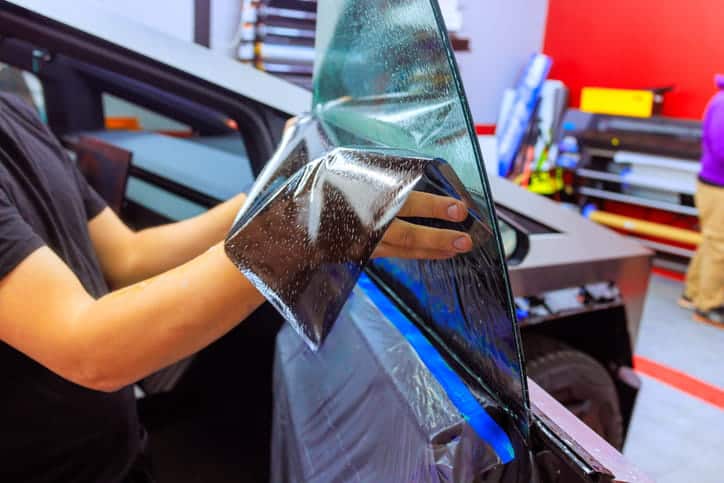
Window tinting refers to a film applied to windows that reduces the amount of sunlight that passes through them. Tinted windows are darker than regular glass.
Vehicle owners can choose from these types of window tints:
- Carbon
- Ceramic
- Dyed
- Hybrid
- Metalized
Window tints offer multiple benefits, including protection from UV rays, glare reduction, and heat management in the vehicle’s cab. However, vehicle owners must comply with state window tint regulations when they invest in window tinting.
Expert window tint installers can provide more information about the process and ensure that your window tints comply with state laws. For more information about Nevada’s window tint laws, refer to the FAQ section below.
Benefits of Car Window Tinting
Window tinting looks stylish, but it does more than just enhance your vehicle’s appearance. There are several practical reasons to invest in window tinting, including the following:
- Comfort and safety: Window tinting helps keep your vehicle cool, which is an essential consideration in Las Vegas.
- Health benefits: Staying cool can prevent heat exhaustion. Reducing exposure to sunlight can also prevent sunburns and premature aging.
- Privacy: Window tinting gives you more privacy while you’re driving.
- Protection: Window tinting blocks UV rays, limiting your exposure to as much as 99% of these harmful rays, which can increase the risks of health issues, such as cataracts and skin cancer.
- Security: Tinted windows shield your vehicle’s contents from others. If you have something valuable in your vehicle, you may be able to keep would-be thieves from spotting it.
- Value: Tinted windows can increase your vehicle’s resale value.
- Visibility: Tinting your vehicle’s windows reduces glare, making it easier for you to see while driving.
Different Types of Car Window Tints
You have multiple types of window tints to choose from when you get your windows tinted. The different types include carbon, ceramic, dyed, hybrid, and metalized window tints.
It’s essential to note that window tints that provide heat rejection can help reduce fuel consumption by minimizing the need for air conditioning in your vehicle. The potential fuel savings can offset some of the installation costs.
Learning about these types of window tints will help you understand the benefits of each type and which one is right for your vehicle.
Dyed Window Tints
Dyed window tints involve applying an adhesive layer to your windows, followed by the application of dye. A polyester topcoat completes the dyed film tint.
The benefits of dyed window tints include the following:
- Affordability: Dyed window tints are the least expensive option for professional window tint installation, making them an excellent choice.
- Durability: When installed correctly, dyed window tints are durable and long-lasting.
- Protection from heat: Dyed window tints help keep vehicles cooler.
- Safety: Dyed window tints are non-reflective, so they do not pose safety risks to drivers.
Dyed window tints also offer protection from UV rays. However, they don’t offer as much protection as some other types of window tints and can bubble or separate if they aren’t installed correctly.
Metalized Window Tints
The pros of installing metalized window tints included the following:
- Protecting your cab from overheating
- Protecting you from up to 99% of UV rays
- Reducing window glare
- Strengthening your windows
While metalized tints repel heat, it’s essential to note that they also reflect it, which can affect objects and people around your vehicle.
Metalized tints are durable, but there are potential disadvantages to installing these tints, including the following:
- Cost
- Light reflection can affect drivers
- Potential interference with electronics, such as GPS devices and key fobs
Hybrid Window Tints
Hybrid tints combine elements of dyed and metallic tints. Some benefits of hybrid tints include the following:
- Customizable
- Durable
- Glare reduction
- Heat rejection, which helps keep your vehicle’s cab cool
- Non-reflective
- Protection from UV rays
- Versatile
Hybrid tints are an excellent way to get a sleek, dark tint. They do cost more than dyed tints, but are less expensive than some other options.
Ceramic Window Tints
Acquiring a ceramic window tint involves applying a film with a coating of ceramic particles to your window. Ceramic window tints offer several benefits, including the following:
- Durability: Ceramic tints strengthen your windows.
- Fade-resistant: Ceramic tints are long-lasting.
- Heat rejection: Ceramic tints help keep sunlight from heating your vehicle’s cab.
- Non-reflective: Your window tints won’t affect other drivers by reflecting light.
- UV protection: Ceramic tints shield you from UV rays (protecting you from up to 99% of these rays), and up to 95% of infrared rays.
Ceramic window tints do not significantly interfere with electronics, and they increase the value of vehicles. However, there is a drawback — ceramic tints are expensive to install.
Carbon Window Tints
Carbon window tints are the perfect way to give your vehicle’s windows a matte black tint, which means they don’t look like a mirror. Some benefits of opting for a tint using carbon particles include the following:
- Delivers protection from UV rays
- Durability
- Heat rejection
- Long-lasting
Carbon tints also effectively protect your vehicle’s interior from the sun’s rays, preventing fading.
There are a few disadvantages to carbon tints. These tints are more expensive, costing more than both dyed and metallic tints.
Carbon tints can reflect strong sunlight. They also do not protect from infrared rays.
Maintenance and Care for Window Tints
Investing in proper maintenance for your car window tints can extend their lifespan, reducing replacement costs in the future and boosting your car’s value.
You can protect your window tint by ensuring you give it at least 72 hours to cure before rolling your windows down. Experts recommend letting the tint cure for up to five days.
Protecting your window tints from sunlight will also extend their lifespan. Park in shaded areas, carports, or garages, whenever possible. Protecting your window tints from sun exposure is part of protecting them from extreme temperatures. You can protect your vehicle and window tints by avoiding extreme heat.
Cleaning your windows is also a key component of your long-term care strategy. Maintain a regular cleaning schedule and use non-abrasive cloths with mild soaps to clean your windows. You should not use harsh chemicals. Choose cleaners that are ammonia-free and safe for tinted windows, and apply them to the cloth instead of directly to the window.
Press softly and move your hand in a circular motion when cleaning. Do not apply excessive pressure when cleaning the window. Use a clean cloth to dry it after cleaning.
How DC Auto Can Deliver the Perfect Window Tint for Your Needs
Window tint installation experts have extensive experience installing different types of window tints. Our team at DC Auto will answer your window tint questions and explain which options we recommend for your needs.
We’ll consider your budget when recommending a window tint that delivers the benefits most crucial to you. We’ll also keep you informed about current offers and discounts that can help you save money, while enjoying professional window installation that enhances your vehicle’s resale value.
Professional installation ensures you enjoy the maximum benefits of tinted windows without bubbles or separation. When you contact DC Auto, we’ll help you choose an option that complies with state laws.
Contact us to make an appointment today.
FAQ
Which Tint Is Darker, 20% or 35%?
A window tint percentage refers to its visible light transmission (VLT). The lower the VLT, the less light that passes through the window. This means a lower percentage is darker than a higher percentage.
Is 35% Tint Visible at Night?
You can see through a 35% tint at night.
Is 35% Tint Legal in Las Vegas, NV?
Nevada’s window tint laws specify the tint for different windows in different vehicle types. For sedans, SUVs, and vans, window tints are limited to the space above the AS-1 line and must be non-reflective. The front side windows must have a tint of 35% or higher.
Can People See You in a 20% Tint?
It is possible to see people inside a vehicle with 20% tint; however, it can be challenging to see them in low light or at night.
Which Tint Lasts Longer?
Ceramic window tint lasts longer than all other types of window tints.
Is a 20% Tint Legal in Nevada?
Sedans, SUVs, and vans can legally have a 20% tint installed on their rear side windows and rear windows. It cannot be legally installed on front side windows.
Sources:
Global Car Modification Market Grows at a Steady CAGR of 4.9%. (2025).
Hardesty, C. (2025). Car Window Tinting: 7 Things You Need to Know.
Nevada Window Tinting Laws. (2025).
Valentine, A. (2025). Car Ownership Statistics 2025.
